
The Case of the Sunken Barge: Analyzing Liability in Maritime Law
By Idris Henriksen · · 5 min read
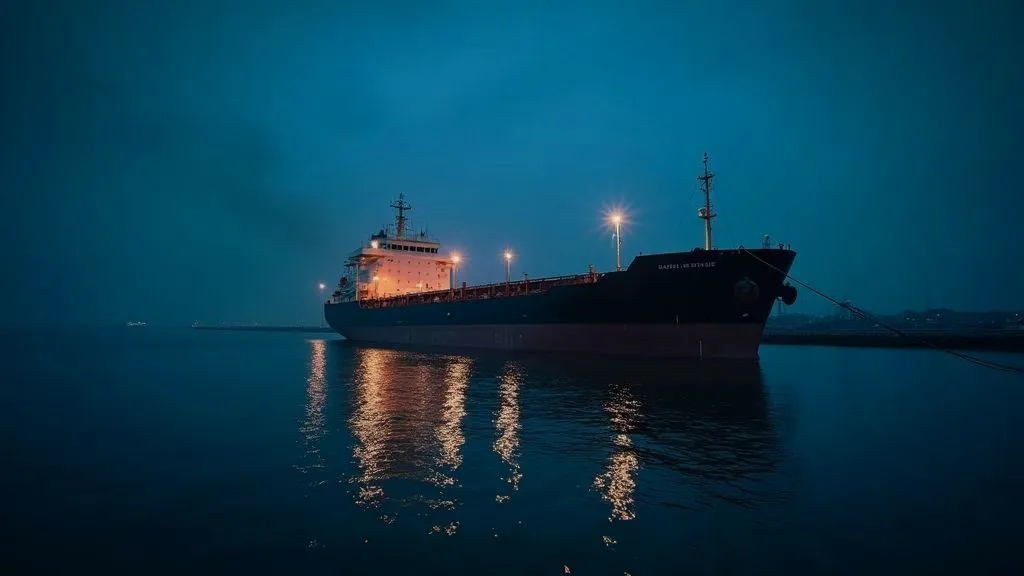
Maritime law, a unique body of law governing activities on navigable waters, often entails complex liability issues that can significantly impact various stakeholders. One particular case illustrates the legal intricacies involved in maritime incidents: the case of the sunken barge in the Gulf of Mexico. This situation not only highlights the decision-making processes of the key parties involved but also sheds light on the broader implications of maritime law in determining liability.
Background of the Incident
In March 2022, a barge named Oceanic Venture sank while being towed through the Gulf of Mexico. The barge, owned by Marine Transport Corp, was loaded with construction materials destined for an offshore oil rig. The towing company, Gulf Towing Services, was responsible for navigating the barge safely to its destination.
Initial reports indicated that the barge began taking on water due to a pre-existing hole that had not been adequately sealed during previous maintenance checks. Despite the visible signs of distress before the voyage, both the towing company and the barge owner decided to proceed with the journey, leading to disastrous consequences.
Key Players and Their Decisions
Marine Transport Corp (Barge Owner)
The decisions made by Marine Transport Corp before the incident were pivotal. They had acquired the Oceanic Venture a few years prior and were aware of ongoing maintenance issues. They had a contractual obligation to ensure that the barge was seaworthy but delayed necessary repairs due to budget constraints.
The decision to send the barge on a critical mission despite these known issues indicates a significant lapse in judgment. They underestimated the risks associated with the barge’s seaworthiness, leading to the ultimate decision that would have major ramifications.
Gulf Towing Services (Towing Company)
Gulf Towing Services also played a crucial role in this incident. As the towing company, they had a duty to inspect the barge prior to embarking on the journey. However, in their eagerness to fulfill the contract and ensure timely delivery, their assessment of the barge’s condition may have been superficial.
After initial checks, they decided to proceed without calling for a detailed examination or alerting the barge owner to the potential dangers posed by the hole. This decision reflects a common tension in maritime operations—the balance between operational efficiency and safety.
Environmental and Regulatory Authorities
The incident triggered investigations by environmental and regulatory bodies. The U.S. Coast Guard, along with local environmental agencies, began examining the environmental impact of the sunken barge, which resulted in material pollution in the vicinity. The agencies needed to determine who would be liable for the cleanup and any punitive measures.
Analyzing Liability Under Maritime Law
The case of the Oceanic Venture highlights key principles of liability under maritime law. Several factors come into play when determining who bears responsibility for the incident:
The Doctrine of Unseaworthiness
Under the doctrine of unseaworthiness, a vessel owner can be held liable if the vessel is not fit for its intended purposes. For Marine Transport Corp, evidence emerged that the barge had ongoing issues that had not been adequately resolved before undertaking the journey. This could establish their liability based on the barge’s condition.
Comparative Negligence
Gulf Towing Services may attempt to invoke the defense of comparative negligence. Their argument would hinge upon the notion that Marine Transport Corp was primarily responsible for the barge’s condition. This would serve to diminish their liability in the incident. However, since both parties share responsibility for ensuring that the barge was suitable for operation, the court may find both entities partially liable.
Environmental Liabilities
In addition to liability for the sinking itself, both companies could face significant penalties related to environmental damage. The Clean Water Act imposes strict liability standards on parties responsible for discharges into navigable waters. The pollution from the barge could lead to costly clean-up and reparations, adding another layer to the liability landscape.
Legal Proceedings and Outcomes
As the case progressed through the courts, several outcomes emerged. Both Marine Transport Corp and Gulf Towing Services were named in lawsuits filed by various stakeholders, including affected local communities and environmental groups. The following developments showcase the legal ramifications:
Settlement Negotiations
In an effort to mitigate losses, both companies engaged in settlement negotiations before the case went to trial. They faced pressure from various stakeholders to reach an agreement. Ultimately, they decided to fund a portion of the environmental cleanup efforts, along with compensatory payments to affected businesses. This decision was influenced by the likelihood of a lengthy legal battle and the potential for reputational harm.
Court Decisions
Should the case proceed to trial, the court must consider multiple factors, including evidence of negligence, the seaworthiness doctrine, and the regulatory obligations of both parties. The decision would set a precedent for how maritime law treats liability in cases where both operational efficiency and safety standards are compromised.
Broader Implications for Maritime Law
The Oceanic Venture case serves as a crucial lesson for stakeholders within the maritime industry. Below are some broader implications and takeaways:
Importance of Due Diligence
The case underscores the vital importance of rigorous due diligence in maritime operations. Both barge owners and towing companies must prioritize safety over expediency. The liability concerns that arise from overlooking maintenance issues can lead to severe financial repercussions and environmental damage.
Regulatory Compliance and Best Practices
The heightened scrutiny of regulatory compliance mandates that maritime companies adopt best practices for safety inspections and operational protocols. Understanding and adhering to various maritime regulations is essential to minimize risks associated with vessel operations.
Stakeholder Collaboration
This incident highlights the need for effective collaboration among all stakeholders involved in maritime operations—owners, towing companies, and regulatory bodies. Establishing open lines of communication can help mitigate risks and avoid incidents that could lead to significant liabilities.
The Future of Maritime Liability Cases
As the maritime industry continues to evolve alongside modern technologies and changing regulations, the landscape of liability cases may also transform. Here are some potential future developments:
Technological Innovations
The introduction of advanced monitoring and communication technologies might help improve safety standards and prevent incidents like the sinking of the Oceanic Venture. Sensors that monitor vessel integrity could trigger alarms, allowing for timely interventions.
Evolving Regulations
Regulatory frameworks governing maritime operations are likely to evolve. New standards addressing environmental impacts and liability may emerge, necessitating that stakeholders adapt quickly to maintain compliance.
Increased Accountability
As awareness of environmental and safety concerns grows, courts may adopt stricter interpretations of liability, holding parties more accountable for negligence. This could lead to a culture of increased responsibility among maritime operators.